
A practical home routine to reduce dog shedding
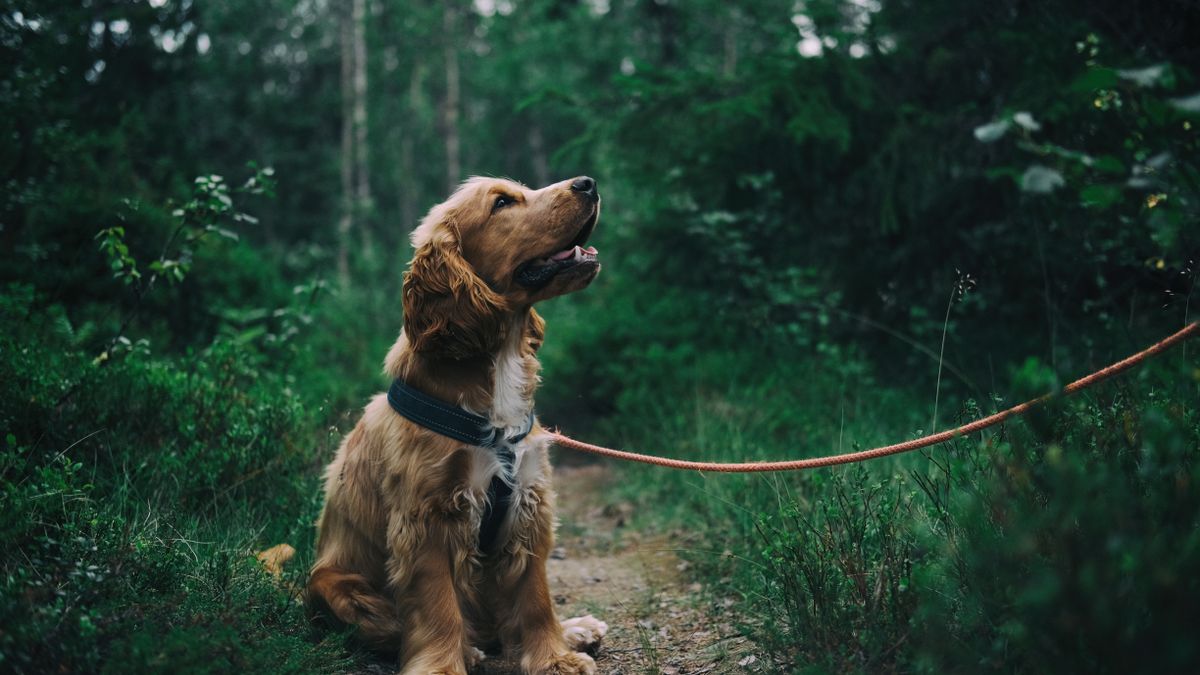
Hair on the sofa is not a personality flaw. Double-coated dogs dump undercoat on a schedule. Single-coated dogs still leave a soft fuzz trail after every nap.
You will not erase shedding. You can cut the volume on furniture and clothes with a routine that takes 15–25 minutes most days, not a weekend of panic vacuuming.
Start with the coat you have
- Double coat (many huskies, shepherds, spitz types): undercoat blows in spring and fall. A slicker plus an undercoat rake or deshedding tool used carefully beats endless brushing with the wrong brush.
- Short coat (labs, many mixes): a rubber curry or short-bristle brush once a day loosens dead hair before it hits the couch.
- Long or feathered coat: line-brush to the skin in sections so mats do not hide under a shiny top layer.
If you are unsure which tool fits, ask your groomer to show you on one shoulder in a five-minute demo. Bring that tool home and use it — unused gear does nothing.
The weekday routine (10–15 minutes)
Pick a spot with hard floors: kitchen, mudroom, or a towel on tile.
- Brush 5–8 minutes in the direction of growth. For thick coats, work a small rectangle at a time.
- Wipe with a slightly damp microfiber cloth to pick floaters.
- Reward with 3–5 small treats so brushing stays a paid job, not a wrestling match. Dogs who hate paws and restraint often do better if you also practice calm handling from our nail trimming note.
Do this five days a week during heavy shed. Drop to three days when the undercoat calms down.
The weekly reset (20–30 minutes)
Once a week:
- Longer brush session (10–15 minutes)
- Vacuum furniture and the dog’s main nap zones
- Wash the dog bed cover on hot if the fabric allows
- Lint-roll or wipe baseboards where hair drifts
A rubber broom on hard floors gathers hair faster than a vacuum alone in some kitchens. Use whatever you will actually repeat.
Baths: helpful, not daily
A bath every 3–6 weeks (or as your vet/groomer advises for skin) can loosen dead coat. Use a dog shampoo. Human shampoo is the wrong pH for most dogs.
After the bath:
- Towel dry thoroughly.
- Brush once the coat is damp-dry, not dripping.
- Keep the room warm enough that he is not shivering while you work.
If skin looks red, smells yeasty, or he chews until bald patches appear, stop guessing at “shedding season” and call your veterinarian. Coat change is normal; open sores are not a DIY project.
Food and “shedding supplements”
Balanced commercial food that fits your dog’s life stage covers coat needs for most healthy dogs. Oil toppers and supplements are not magic anti-shed potions. If you add anything new, check with your vet — especially if your dog has a history of pancreatitis or food sensitivities.
Reading pet-food labels is a useful skill even when you mainly shop for dogs; the same panel logic shows up on cat food labels.
Home habits that quietly help
- One washable throw on the favorite couch cushion
- A designated dog towel by the door after rainy walks
- Air filter changes on schedule if you use HVAC filters
- Short outdoor brush-outs in heavy shed weeks so the living room is not the only “salon”
Crate or pen time after brushing gives loose hair a chance to fall on an easy-clean surface. If you are still teaching crate comfort, keep sessions easy — see crate training for adult dogs.
What a sudden shed spike can mean
Seasonal blows are expected. A sudden coat change plus itch, weight loss, thirst changes, or lethargy deserves a vet visit. We are not going to list diseases to self-diagnose. We are going to say: pattern + other symptoms = professional eyes.
Sample week
| Day | Task | Time |
|---|---|---|
| Mon | Full body brush | 10 min |
| Tue | Quick brush + couch wipe | 8 min |
| Wed | Brush focus on hips/chest | 10 min |
| Thu | Off or 5-minute touch-up | 5 min |
| Fri | Brush + vacuum nap zones | 20 min |
| Sat | Optional bath week | 30–45 min |
| Sun | Bed cover wash | 10 min active |
Keep the tools in a basket you can see. Out of sight means out of routine.
Less hair on your black pants is mostly consistency: short daily removal, weekly cleaning, sensible baths, and a vet call when the coat story comes with other red flags.
This note is for everyday home care. It is not a diagnosis or treatment plan. If symptoms last, worsen, or your gut says something is wrong, contact your veterinarian.