
Keep cats off counters without yelling
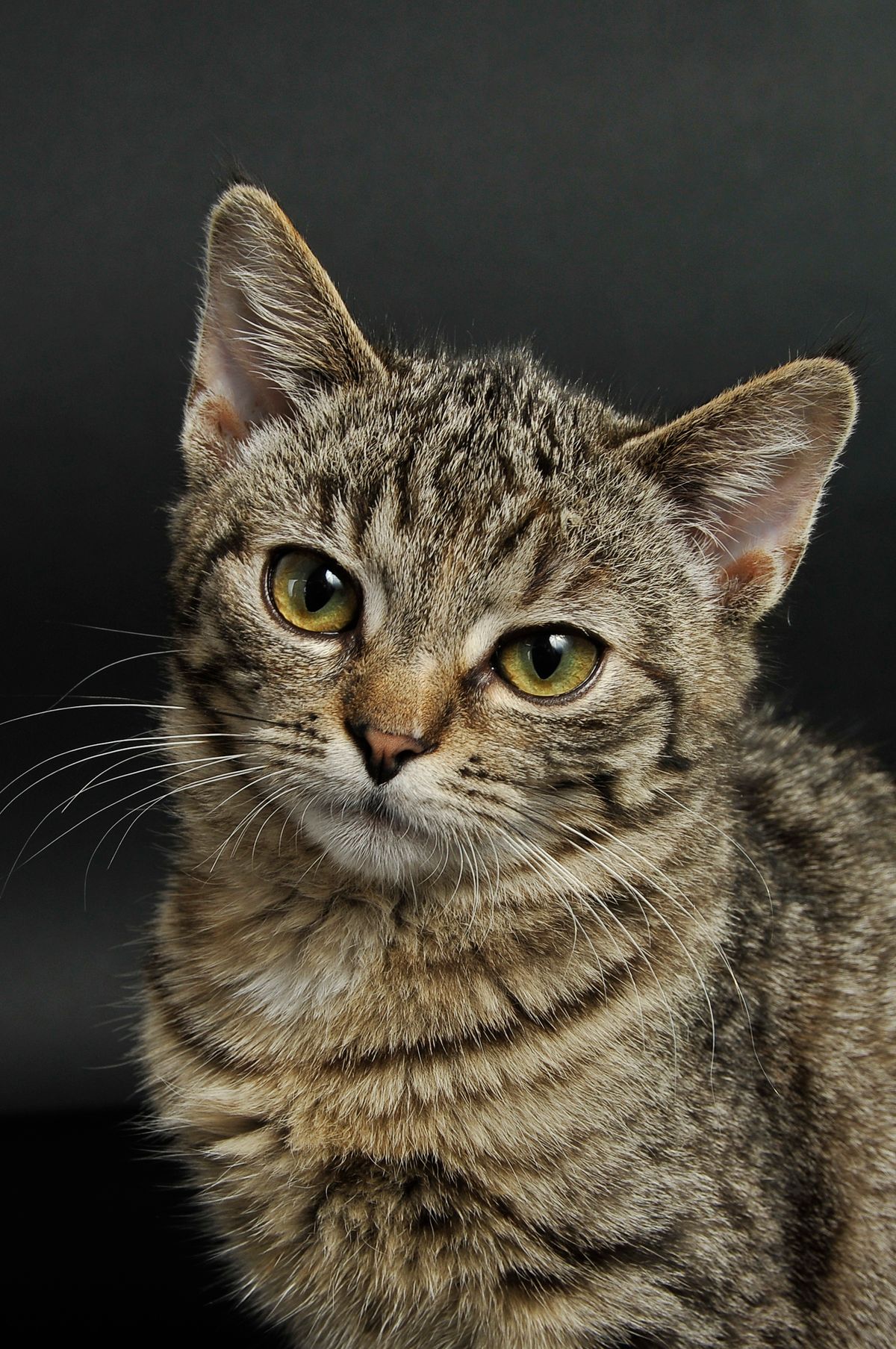
You plate the chicken. A soft thud lands behind you. A paw reaches for the butter dish like it pays rent.
Yelling works for about four seconds — until you leave the room. Cats are excellent at “no humans, free buffet.”
The durable fix is environmental: make the counter dull, make legal perches rich, and stop accidentally paying counter visits with leftover grease and attention.
Why cats love counters
- Height and sight lines
- Warm appliances
- Food smells
- Running water at the sink
- Sometimes: the only place they can see you cook
If the cat tree is dusty in a dark corner and the counter smells like last night’s salmon, you already know who wins.
Step 1: remove the jackpot
- Wipe crumbs and oil after cooking — not tomorrow
- Use lids and the fridge; do not cool a roast unattended on the island
- Move the fruit bowl if grapes or other risky foods sit out (ask your vet for pet-toxic lists; do not guess)
- Feed meals in a calm spot away from prep surfaces so “kitchen = hunting ground” softens
Hungry cats freelancing for calories need measured meals. Label literacy helps you portion without mystery — see cat food labels for beginners.
Step 2: build better height
Place a sturdy cat tree, shelf, or window perch within sight of the kitchen but off the food zone. Sprinkle catnip or silvervine on it for three days. Run a feather toy up the tree once each evening so the path gets practiced.
Two vertical options beat one lonely post.
In multi-cat homes, vertical space also reduces hallway traffic fights — useful if you are still working through a slow introduction.
Step 3: temporary deterrence while habits flip
Use tools that make the surface unpleasant without scaring the cat into hiding forever:
- Double-sided tape on a placemat you can remove at dinner parties
- Upside-down plastic carpet runners (nubby side up) during training weeks
- A motion-activated air spray aimed at the counter, never at the cat’s face as a joke
Rotate deterrents so they do not habituate in week two. Pair every “not here” with a “yes here” lure to the perch.
Skip hitting, water squirt wars as your main plan, and anything that risks a fall from a high stack of pans.
Step 4: pay the right location
When the cat sits on the tree while you cook:
- Quietly mark (“nice”)
- Deliver one or two treats to the tree
- Keep cooking
Do this for a week even when it feels silly. You are buying a new default.
If they jump up mid-session, guide them down without a chase scene — walk away from the counter drama, toss a treat to the tree, restart.
Sink drinkers and stove watchers
For faucet fans, a small pet fountain in a safe corner often cuts sink loitering. For stove watchers, a baby gate during active cooking can be temporary scaffolding while perches gain value. Never leave burners on with an unsupervised climber — that is safety, not manners.
Night counters
Some cats patrol counters at 3 a.m. for crumbs. Schedule a 5-minute play session before your bedtime using a wand toy — sprint, pounce, then a small snack. A fed hunter sleeps harder. More play patterns live in budget enrichment for indoor cats.
What about foil and citrus peels?
They work for some cats and do nothing for others. Fine as a short experiment. Not a personality judgment if your cat sits on foil like a throne.
Timeline you can expect
| Week | Focus |
|---|---|
| 1 | Clean counters, install perch, add tape/mat |
| 2 | Treats for perch during every cook session |
| 3 | Fade loud deterrents if habits stick |
| 4 | Maintain wipe-downs; refresh perch toys |
Relapses happen after holidays with lots of counter food. Reset the environment; do not shame the cat.
When yelling is really about stress
Sudden counter obsession plus litter box changes, hiding, or appetite shifts deserves a vet check. Behavior notes online cannot sort medical from mischief.
Keep your voice for conversation. Let the furniture and the treat pouch do the teaching.
This note is for everyday home care. It is not a diagnosis or treatment plan. If symptoms last, worsen, or your gut says something is wrong, contact your veterinarian.